
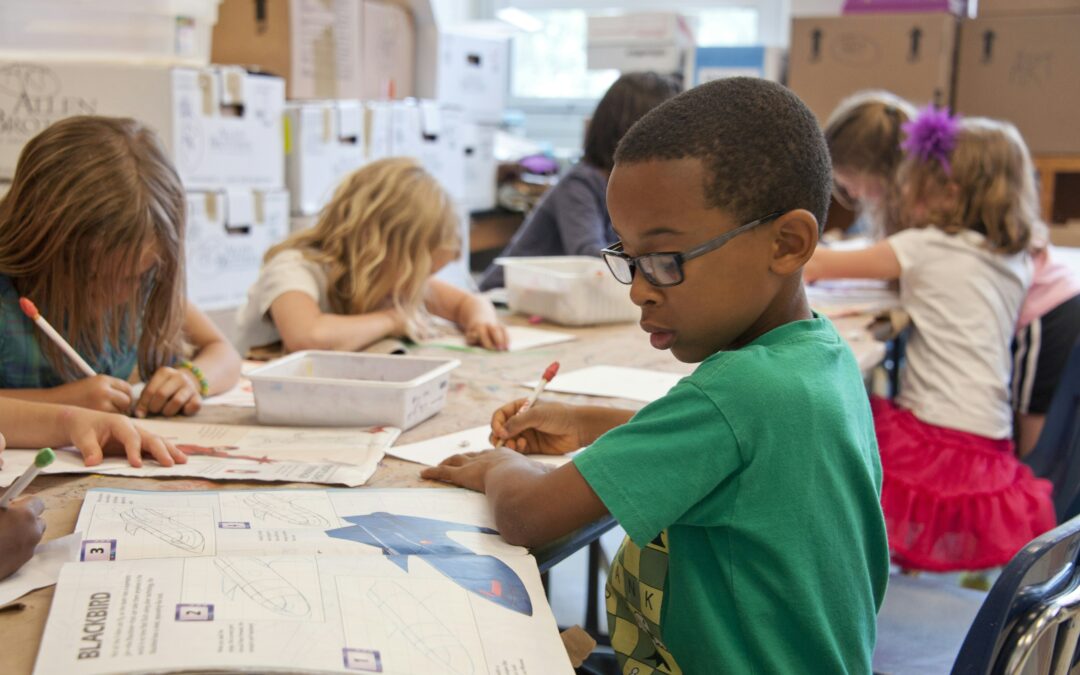
Practical tips for parents to reinforce special education support and create an inclusive learning environment.
Every child learns differently, and for students receiving special education services, the right support—both at school and at home—can make a world of difference. Parents play an essential role in reinforcing skills, fostering independence, and building confidence. With understanding, patience, and consistency, you can help your child thrive beyond the classroom.
Here are some practical strategies to create an inclusive, supportive learning environment at home.
1. Collaborate with Your Child’s Education Team
Start by maintaining open communication with your child’s teachers, special education coordinator, and therapists. Understanding your child’s Individualized Education Program (IEP) or 504 plan is key. Ask for updates on progress, clarify goals, and request resources or strategies to use at home.
Consistency between school and home helps your child feel secure and supported. When everyone is working together toward shared goals, your child benefits most.
2. Create a Structured, Predictable Routine
Children with special needs often thrive on structure. Establish a daily schedule that includes set times for learning, play, meals, and rest. Predictability reduces anxiety and helps your child stay focused and organized.
Use visual schedules, timers, or color-coded planners to make routines easier to follow. If changes are necessary, prepare your child in advance to ease transitions.
3. Build a Supportive Learning Environment
Designate a calm, distraction-free space for learning. Keep materials organized and easily accessible, and include sensory-friendly elements if your child benefits from them—such as fidget tools, weighted blankets, or noise-canceling headphones.
Encourage breaks when your child feels overwhelmed. A short walk, stretching, or quiet sensory activity can help them reset and refocus.
4. Reinforce Skills Through Everyday Activities
Learning doesn’t always have to look like traditional homework. Integrate your child’s goals into daily life:
- Practice reading through recipes or grocery lists.
- Build math skills by measuring ingredients while cooking.
- Strengthen fine motor skills through crafts or building projects.
- Support communication with storytelling or journaling.
By turning learning into natural, fun experiences, your child can develop skills in a low-stress way.
5. Encourage Independence and Celebrate Progress
One of the main goals of special education is to foster independence. Give your child opportunities to make choices, complete small tasks, and solve problems on their own. Offer guidance when needed, but resist the urge to step in too quickly.
Celebrate every success—no matter how small. Acknowledging effort helps your child build confidence and motivation to keep trying.
6. Support Emotional and Social Growth
Many special education students face emotional or social challenges. Help your child express their feelings in healthy ways, and model coping strategies such as deep breathing or taking a break when frustrated. Encourage social interactions with friends or family in settings that feel safe and comfortable.
If needed, connect with a counselor or therapist who specializes in supporting children with learning differences.
Final Thoughts
Supporting a special education student at home requires patience, flexibility, and collaboration—but the rewards are immeasurable. By creating a structured, inclusive, and loving environment, you reinforce the progress your child makes at school and help them build skills that last a lifetime.
Remember: progress looks different for every child. Celebrate your child’s unique journey, and continue to advocate for the support and opportunities they deserve.
Would you like me to format this into a web-ready blog layout (with SEO headings and meta description) or keep it as a general draft for parents?